History & Heritage of Thailand
Thailand is a country shaped by centuries of powerful kingdoms, rich cultural traditions, and a deep sense of national pride. Its history is reflected in ancient ruins, royal palaces, temples, and the way of life that continues to thrive today. For travelers, exploring Thailand’s heritage offers a meaningful journey through time—one that reveals the kingdom’s resilience, identity, and cultural brilliance.
1. The Birth of the Thai Kingdoms
Thailand’s story begins long before modern borders were drawn.
- Sukhothai (13th–15th century) is often called the cradle of Thai civilization. It was here that the Thai script was created and Buddhism flourished as the heart of Thai culture. Ruins in Sukhothai Historical Park showcase graceful Buddha statues, lotus-topped stupas, and peaceful ponds.
- Ayutthaya (14th–18th century) rose next as a major global trading capital. Its impressive remains—towering prangs and massive temples—tell tales of a golden age rich in art and diplomacy.
These ancient cities are now UNESCO World Heritage Sites, offering travelers a remarkable window into the past.
2. The Rise of Thai Identity
Thailand’s heritage is closely tied to its monarchy, religion, and long-standing independence.
- Unlike many Southeast Asian nations, Thailand was never colonized, giving it a unique cultural continuity.
- Buddhism, practiced by over 90% of Thais, has shaped the nation’s moral values, traditions, and architecture.
- Royal influences are reflected in grand palaces, ceremonial traditions, and the preservation of cultural arts such as classical dance and craftsmanship.
This strong identity remains a source of national unity and pride.
3. Royal Palaces & Historical Architecture
Thailand’s architectural heritage showcases impressive craftsmanship and devotion.
- The Grand Palace in Bangkok, built in 1782, is a stunning symbol of Thai art and home to the sacred Emerald Buddha.
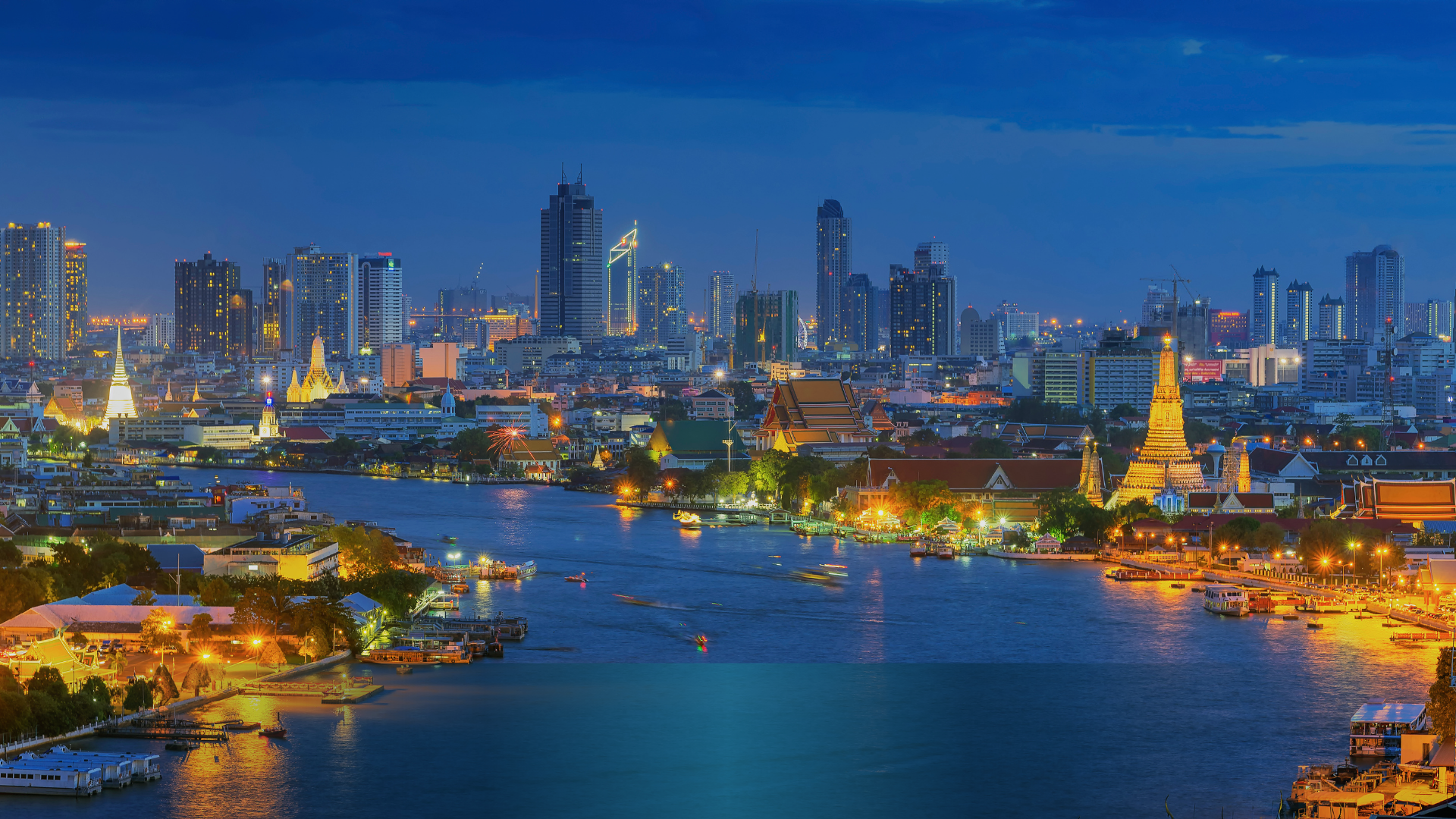
- Wat Pho and Wat Arun, centuries-old temples along the Chao Phraya River, highlight intricate designs and cultural refinement.
- Regional architecture, from northern Lanna-style temples to the traditional wooden houses of central Thailand, reflects local stories and long-established ways of life.
These iconic landmarks are essential stops for travelers looking to understand Thailand’s historic soul.
4. Ancient Arts, Crafts & Cultural Traditions
Thailand’s heritage can also be seen in its artistic expressions.
- Traditional crafts such as silk weaving, pottery, wood carving, and gold leaf painting have been preserved for generations.
- Thai classical dance, known for its elegant movements and colorful costumes, tells stories inspired by ancient literature like the Ramakien.
- Local festivals—such as Loy Krathong, Songkran, and regional celebrations—connect modern life with ancient beliefs and agricultural cycles.
These living traditions keep Thai history vibrant and accessible to visitors.
5. Museums & Historical Parks
Travelers can explore Thailand’s rich timeline through well-curated museums and preserved heritage sites.
- The National Museum Bangkok houses royal artifacts, ancient sculptures, and historical treasures.
- Ayutthaya Historical Park and Sukhothai Historical Park take visitors on a journey through ancient capitals.
- Phanom Rung Historical Park in Buriram showcases Khmer-era architecture set on an extinct volcano, offering breathtaking sunrise views.
Each place tells a chapter of Thailand’s remarkable story.
6. Heritage in Daily Life
Beyond monuments and museums, Thailand’s history lives through its people.
- Traditional markets, long-tail boats, floating communities, and rural lifestyles reflect centuries-old customs.
- Local food traditions—some passed down through royal kitchens, others rooted in village cooking—offer a taste of Thailand’s cultural evolution.
- Respect, hospitality, and strong community ties show how deeply the past influences everyday life.
Travelers can feel this heritage in every interaction, meal, and journey.
Thailand’s history and heritage are woven into every corner of the country—from ancient capitals and sacred temples to local traditions and timeless customs. Exploring these stories allows travelers to understand the depth of Thailand’s identity and appreciate the artistry, spirituality, and resilience that define the kingdom. Whether you walk through ancient ruins or join a traditional festival, Thailand invites you to step into a living history that continues to inspire the world.